virtual try-on with real physics
raising $3M at round #1
 Try Fitme Prototype
Everyone shows how
a garment looks.
We answer how it will fit.
A horizontal AI engine for accurate virtual try-on in motion. It uses the real person, the real product, and how the fabric actually moves. Not just a pretty picture — a real answer to “will it fit me?”
WHY NOW?
Post-Covid-19, consumer habits have
dramatically shifted toward digitization.
People now view their mobile phones as
the ultimate source for everything —
even ordering food.
A commercially validated trend:
the personalized approach.
Soaring compute power, a bandwidth explosion
and remarkably clever AI are converging
to unlock a fundamentally new way to shop
on a global scale: futureshopping as it is
(an allusion to A. Toffler).
Access to fervently committed, top-tier talent,
ready to overdeliver.
The idea has been in the air for a long time,
but so far no one has done it right.
Competitor readiness? Suffice it to say, there isn’t a single commercially viable solution for accurate, live, in-motion virtual try-on (despite appearances, perhaps?).
See Exit Strategy for more details.
Team
Founder & CEO

Author and Visionary — Vitaly Borschevsky.
Born in Saint-Petersburg, now living in Tel-Aviv.
Developed a business with $40M+ in revenue,
customers in Forbes (Ulmart with $1.3B sales).
Education: software developer (since 9 yo),
designer, neuropsychologist.






Brains
The team consists of professionals with
extensive experience in AI, e-commerce
and computer vision. We have delivered
projects for companies such as LG Electronics,
Daimler-Chrysler, Cisco and others.
A rare bench — and exactly on topic: the core is built from AI, computer-vision and AGI researchers who have already shipped the hard parts of this stack — image recognition, body & scene perception, robotics and ecom.
- AI & computer-vision lead — full professor; 150+ papers, 3 books, 5 supervised PhDs; two Kurzweil Best awards (AGI’18); neural-symbolic perception & dialog frameworks.
- Neural-symbolic / AGI — AI project chief at Hanson Robotics & SingularityNET (2018–23) — the team behind Sophia the robot; cognitive architectures for avatars.
- CV & robotics — SingularityNET R&D; production computer vision for LG (robot navigation) and face recognition for Cisco and Hanson (Sophia).
- AI systems engineering — OpenCog & Hyperon contributor; Rust / C++ / Go, security- and fintech-grade infrastructure.
- DSP & embedded ML — professor across three countries; 100+ papers; real-time signal processing and industrial CV.
- Commerce backbone — 23 years building large e-commerce and marketplaces end-to-end.
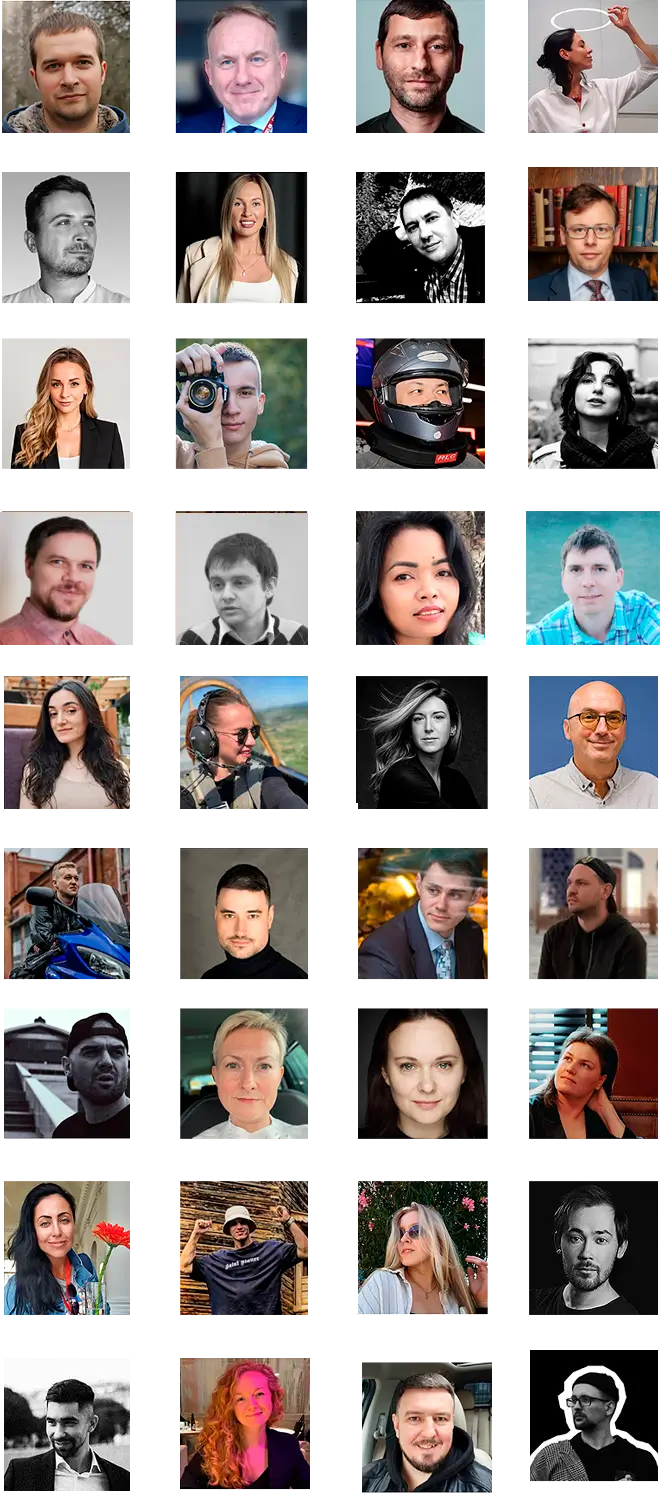
I have been working with many of them since
2006 and together we have implemented more
than 100 projects across various fields.
We also keep strong ties with top technical
universities, giving us access to talented young
mathematicians, programmers, physicists
and optics specialists for the needs of capitalism.
Why others still couldn’t create realistic virtual fitting in motion but we can? Proofs!
The moat isn’t one clever feature — it’s the
whole stack, and you have to solve all of it at once.
Real fitting uses real physical sizes of body and
clothes, not just pixels like common AI. Every piece must click:
- capturing human body and face details with a regular smartphone;
- digitalizing clothes with all properties and behavior on different body shapes;
- understanding the physics of body and fabric;
- dealing with the layers of clothes;
- taking into consideration different styles based on user’s cultural references and big data;
- fast generation and delivery of video to the end user — at the scale of millions of users;
- tuning all of it on real “bought vs. returned” outcomes for each person-and-garment pair — a data loop no one else will have; once the engine is live, the market’s feedback will keep sharpening the algorithm with every order.
The key issue for today is physics — reality.
There are some available solutions that can swap
your clothes in a photo (Google, Kuaishou, etc.),
but such software does not take into account
the real sizes of clothes, human body metrics
and their mutual behavior.
That’s the barrier — it’s high, and it has many parts. Even the giants know it: Amazon, Walmart (Zeekit) and Google invested and bought whole teams, yet all they shipped was generative, “accuracy-not-guaranteed” try-on.
Accurate physical fitting of a specific garment on a specific person still doesn’t exist today.
Let alone in motion.
Why us, specifically: the same bench that built robot perception (Sophia), shipped computer vision into LG and Cisco products, and authored the neural-symbolic AI behind AGI systems — that’s exactly the stack accurate fitting needs: body & garment perception, physics, real-time ML. The specific team this problem requires, not generalists chasing a trend — you don’t vibe-code your way to real body-and-fabric physics.
See some projects done by our team members
to indicate the ability to create futureshopping.
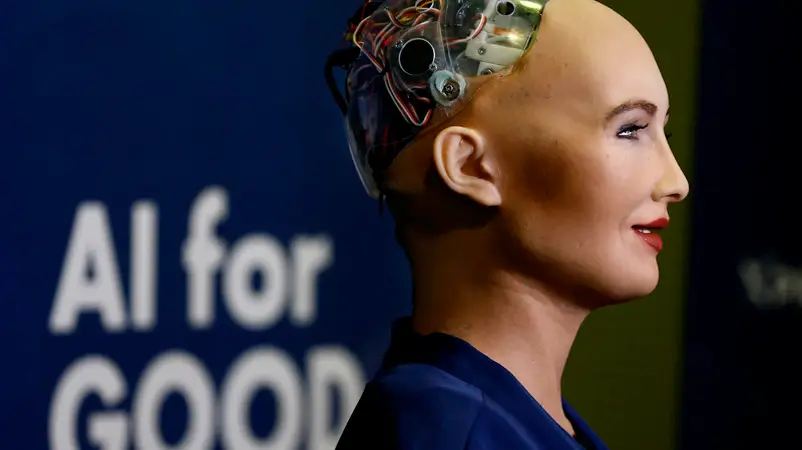
AI-CORE for Sophia ROBOT
The first humanoid robot with citizenship!
Our core team has worked for
SingularityNET and Ben Goertzel to create the
"brain" for Sophia: SAI itself.

Computer vision projects:
-
360-cameras to analyze the surroundings
of Sophia, the ability to identify and recognize
multiple interlocutors, understand their
emotions, mood and intentions for a deeper
conversation. -
AI-solutions for fully automated area control:
people, actions, access, vehicles and cargo with
a precision up to 99.37% in prediction. NDA. -
 Packaging defect identification
system for Unilever production
in low and unstable light
conditions. -
Computer vision for medical diagnostics:
Integration into mobile applications
and endoscopes for otolaryngology (ENT)
with MRI image analysis. NDA. -
Drone-based monitoring and environmental
assessment of forest plantations. NDA. -
 Research of WinCC OA platform functional
capabilities for distributed systems
implementation and external modules
integration for Siemens. -
 Development of a low-cost
high-efficiency computer vision
system for robotic vacuums. -
Development and implementation of a computer
vision module into the production process for
Relevant production AI projects
- The FITME prototype itself — the hard part isn’t the generation, it’s the pipeline around it: several generative models orchestrated with fallbacks, batching, retries and automatic quality control — turning capricious models into a predictable, scalable service. By the way — have you tried it yet? → It’s time!Try FITME prototype
- Paradox Media — a streaming media pipeline for 500,000+ SKUs (video, photo, infographics for a whole catalog): model orchestration, queues, QC. prdx.me →
- Sara AI — a catalog you run by chat (an MCP server), not by legacy software: automatic normalization and enrichment, plus a multi-agent engine that merged ~200 suppliers’ messy data into one 100K+ SKU catalog, 24/7 — and replaced a content team of dozens of people.
e-commerce expertise
30+ major online players with different business
models, across diverse sectors, including:
- Electronics & home appliances
- Construction hypermarkets
- Automotive parts
- Tools
- Medicine (b2b)
- Children’s toys
- Adults’ toys
- leading marketplace with 300,000 daily visitors
300,000 hits per day with 99.99% SLA.
Full business process automation.
End-to-end website development & maintenance.
Digital advertising campaign management.
Blumart — Europe’s largest plumbing and tile retail
chain.
Transformed operations after 8 years of legacy
processes. Process automation, optimization
and innovation implementation.
Scaled from 1 store → 5+ hypermarkets (35,000+ m²
total). 7.5x monthly sales growth since partnership
began. Yearly revenue growth of 50% culminating
in $40M annual sales.

With strategic investment (far below contemporary
art prices), our fusion of AI, computer vision,
e-commerce expertise and passion can fast-track
the futureshopping.
The investor I’m looking for

A bored billionaire
— that sums up, in a nutshell, the ideal FITME
investor. Someone with whom we will
revolutionize a $3 trillion market, fundamentally
reshaping both traditional fashion retail
and e-commerce, and finally delivering to users
worldwide what they, even without realizing
it, have been waiting for — futureshopping.
I want commercial entrepreneurs as partners: people driven not mainly by money (you likely have that), but by the itch to build something large, hard, and genuinely new — something that truly shifts the status quo.
As a slightly modified Diesel line puts it: “Only for the brave.”
“Hey FITME, I have an investor for you — so what do you have for me?”
Fair question! And yes — it’s referral marketing, just at the investment level: a warm intro beats a hundred cold emails. Whoever opens the door won’t be forgotten.
Make the intro“You get a reward, you get a reward!”Cue Oprah
FITME — Not Just Apparel
Clothing retail is merely the first attractive
opportunity to monetize the breakthrough
technology of merging human models with
real-life objects.
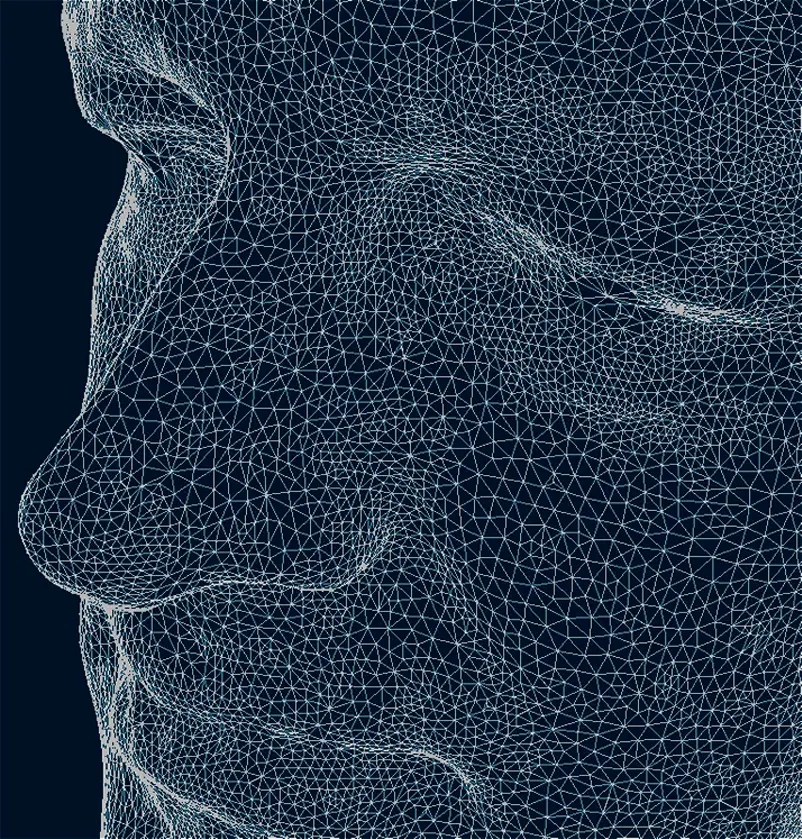
This specialized AI can readily expand into other
industries, not necessarily retail-adjacent, such as:
- medicine and cosmetology;
- design;
- security (just think about it more broadly);
- video games;
- filmmaking;
- consumer goods, marketing (big data), etc.
Collaboration with social media and the mutual
integration of digital avatars offer vast marketing
opportunities (any ****-universe).
We’re not pricing this licensing upside in yet —
but it’s real.
FITME Contacts

Schedule 30-minutes appointment
Little notice:
I don’t prioritize social media engagement,
so you likely won’t find much of interest there.
Prefer to reshape reality.
Summary for Investors
FITME — a horizontal AI engine for physically accurate virtual fitting, in motion
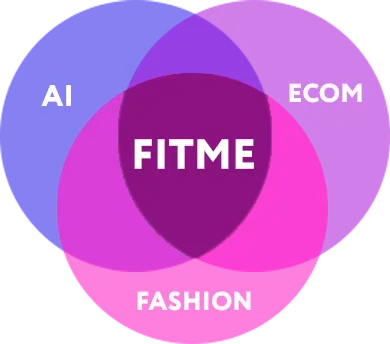
As the product of three major domains intersecting, what problem does it solve?
1. Futureshopping.
Provides a new way of consumption that meets the
expectations of today’s users. In the race for
audience attention and retention, this is even more
important than anything else.
2. Reduced returns.
When shopping for clothing, finding items that fit
well can take a lot of time. And even after making
a purchase, people often end up having to wear
a badly-fitting item or make a return.
The online fashion return rate runs 25–40%
— many times higher than in stores. Fit and size
drive 50–70% of those returns — up to $38B
a year in U.S. apparel alone. Sources: NRF, Coresight, McKinsey.
3. The gap.
Today’s try-on is either pretty generative pictures
with no real accuracy, or real physics locked inside
design studios (Style3D, CLO). Neither answers “will it fit me?” —
in real size and body first of all, but also in style. That’s exactly where FITME sits.
The solution — FITME
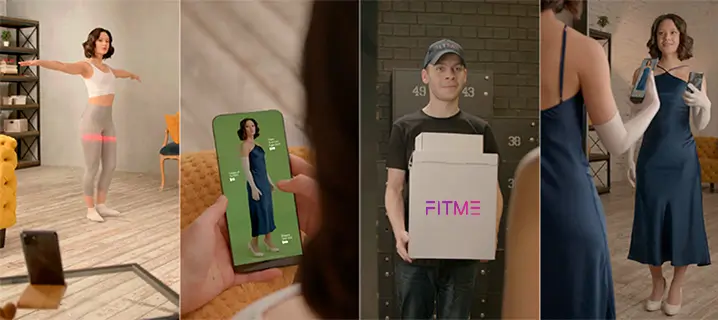
Using FITME, customers are able to define the
style, budget and brands across a large variety of
clothes, see themselves in motion while virtually
wearing various clothing options with
an unprecedentedly high level of fitting accuracy.
This is a deeply specialized artificial intelligence
focused on clothing (layers), the behavior
of fabrics, measuring the human body and working
as a first-class stylist based on big data, which
makes the engine unique and more advanced
compared to its counterparts.
global market
$ 3,000,000,000,000
Every online buyer on Earth spends avg. $1000
per year on apparel shopping, which includes
clothes, footwear and accessories.
The global apparel market — clothing, footwear
and accessories — is about $3 trillion (STATISTA).
A really big game, and we are going to do here
a big revolution for current majors.

Two parallel tracks that support and reinforce each other
Two money stories. Track-1, the WoW B2B-SaaS, is built and earn-ready — the tech is 100% done and live now in the prototype. What’s missing is customers — and that’s exactly what the round’s marketing & sales buy. The $3M mainly funds Track-2 (the hard physics-engine R&D) and seeds Track-1’s go-to-market; the revenue it then earns trims the burn and proves a revenue-backed PoC — the ticket to later institutional investors.
Unit economics — one store
Each Track-1 store pays a monthly plan plus per-generation fees. At ~70% blended gross margin, an average store throws off $1,435 gross profit/mo. Zoom into a single generation: $0.62 revenue − $0.14 cost = $0.48 profit (77%).
Detailed WoW B2B-SaaS economics
Plans
Every plan is a monthly base + pay-per-generation (photo / video). Bigger stores on Big / Enterprise with per-use overage pull the blend up to the ~$2,050 average ARPU used above. Generation cost is low — photo ~$0.07, video ~$0.50, +$0.01 CDN — so gross margin on generation runs ~77%.
What a store pays — and gets
ARPU isn’t fixed — it’s a function of the store’s traffic. The plan is only ~8% of the bill; ~92% is pay-per-generation + remarketing, so bigger stores pay more, at a slightly lower margin:
Our base skews mid-market (Small / Middle) — blended ~$2,050 ARPU at ~70% margin (the number used above).
1 generation: ~$0.62 revenue − ~$0.14 cost = ~$0.48 (≈77%).
Worked example. Even a deliberately modest +2.5% conversion uplift pays the fee back many times over. At the calculator’s default (a Big store, $584 check, 25% margin) the store earns $18,624 extra profit against a $9,519 fee — ROI ×1.96, breakeven at just +1.28% uplift; fewer returns & free UGC on top.
Win-win — 2.5% is a floor, not a promise.
Integration
One line of code — a single snippet / pixel on the store’s site. No dev project; Shopify, Wix or custom; live the same day. Everything else is a self-serve dashboard: usage & conversion stats, plan management, and top up “coins” (prepaid generations) in a click. On Pay’n’Go there’s nothing to set up — pay per generation, cancel anytime.
Go-to-market
- How we sell: product-led self-serve (one-line install + app marketplaces), direct outbound to DTC brands, and an agency / platform-partner channel.
- First wedge: mid-market fashion brands & DTC — enough traffic to feel the return pain, fast to say yes, install themselves.
- Buyer: founder / CMO / head of e-commerce / growth lead.
- Cost to connect: ~zero — a pixel, minutes to install; on Pay’n’Go nothing to commit at all.
- Time-to-value: first try-ons the same day; a conversion signal within weeks.
- Trial → paid: Pay’n’Go removes the barrier (no commitment); once a store sees uplift, it moves onto a plan.
Funnel assumptions
Where churn & CAC come from: 5%/mo churn and $4,000 CAC are standard mid-market B2B-SaaS benchmarks — assumptions pre-launch, not measured yet (validating mid-market retention is exactly Round-1’s job). The model is stress-tested across 3–10%/mo churn × $2–8k CAC (LTV/CAC 1.8–23.8); even the conservative case (7%/mo, $6k) holds 3.4:1.
For the deeply curious — and rightly so — we’ve prepared a detailed interactive calculator. Open the full interactive calculator → dive deeper to drop traffic, check, uplift and plan; both the store’s ROI and FITME economics recompute live.
Average ARPU / store: $2,050 / month
drag, affects the full picture below
Full company economics — built on the unit
* Est. FITME value = a conservative floor: the SaaS business alone at revenue ×5. The real exit is higher — in Y2–4 a strategic buyer takes the whole asset: the accurate-fit engine (Track-2 — built across these years) + customer base + fitting data — well above that floor (comp: Walmart bought Zeekit for ~$200M). Return target ×3–10 on invested capital.
investment sought
Round #1 (private / angels): $3M. Goal: prove the physics on women’s knit tops, on a limited assortment — the full end-to-end logic: body → garment → physics → motion → check against reality.
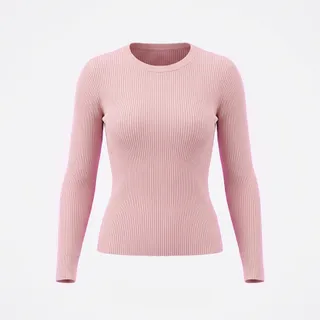
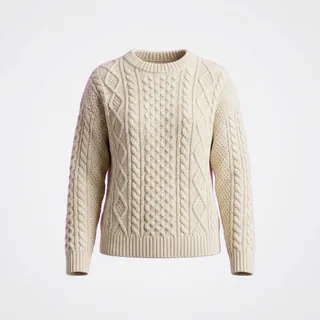
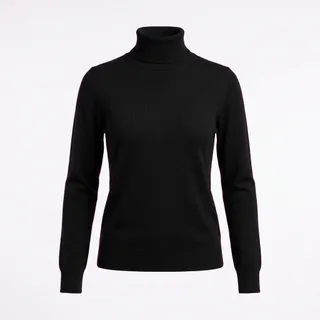
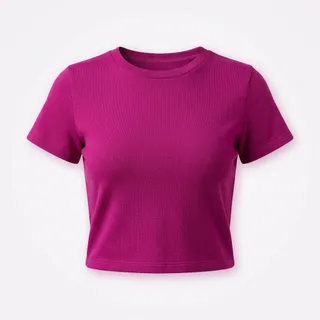
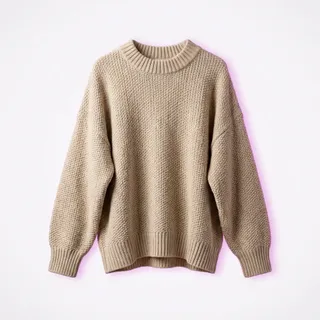
Chosen on purpose — hard, narrow, still useful. Women’s knit tops are the toughest honest test: knit stretches, clings and drapes (the fabric physics everything else is easier than), and tops carry the highest fit-sensitivity and returns. One hard slice, one brand — enough to de-risk the whole pipeline (body → garment → physics → motion → reality), not a toy for one category.
Use of funds: body scanning + an SKU-scanning library + the physics fit-in-motion engine. In parallel, light paid pilots of the wow B2B-SaaS — its revenue covers part of operations, so the raise goes into R&D and early go-to-market.
One-year milestone (de-risk, not a finished engine): the physics beats generative on fit against a real benchmark; streaming garment-scanning at a measured cost per SKU; seconds of fabric motion; and a well-known brand partnering with us as the pilot.
Round #2 ($4–8M), later, from a position of strength: open all categories beyond knit tops, move to real-time try-on, add AI styling on big data, and scale across markets and SKU libraries — with a de-risked, unique asset in hand. This is where institutional or strategic investors come in, on much better terms.
Full breakdown → The ask.
download
FITME investment documentation — varying
levels of detail, distinct from the website content.
These files provide a completely different
perspective on the investment opportunity,
packaged in formats of increasing scope.
We recommend reviewing the materials
in the following order:
FITME in 1 page — executive summary (one-pager)
10-page PDF — essential information for a
comprehensive understanding: technology (how),
team (who) and financials (how much).
30-page PDF — detailed business plans, 3-year
projections, charts, market statistics, competitive
landscape, in-depth technical explanations,
team profiles, and exhaustive commercial models.
Developed in partnership with the Ministry
of Aliyah and Integration (Israel).
Download all documents — ZIP-archive
YouTube 1.5 minutes video
Wow B2B-SaaS FITME economic model calculator — the full interactive unit & company model, much better than Excel
Prototype to try the technology now
Share this web-site
All figures reflect our current working model.
For the latest numbers or a calculation tailored
to your case, contact us directly.
Exit & return
In plain terms: not dividends — an exit (selling the stake or the company). Window: 2–4 years, closer to two with strategic interest. Multiple: ×3–10 in a good outcome — higher if we go for the big game.
The plan is the accurate-fit engine, in motion — the asset a strategic buys. Underneath it the earn-ready wow B2B-SaaS puts a cash floor under our feet once selling.
And a bolder tail, for the brave: FITME opens its own futureshopping marketplace on the unique engine — a run at a double unicorn (~$2B) within five years (illustrative path: $2M → $31M → $253M → $1B → $2B).
While the wow B2B-SaaS earns and the accurate engine matures — and the majors’ appetite grows — we keep the bigger picture in mind.
Making money from this business is great, but at a certain level of visibility, acquisition offers for the core technology tend to show up — from the likes of Amazon.
And if an attractive offer lands on the table... why not entertain it?
 Amazon isn’t just a hypothetical acquirer.
Back in 2017, it acquired Body Labs
specifically to develop similar virtual try-on
capabilities.
The acquisition price of Body Labs,
a company built with $2M, was $70−100M.
It’s now 2026, and neither Amazon nor any other
player possesses a functional solution for virtual
apparel try-ons, especially in motion.
(Notably, Body Labs’ founders are sitting on
at least $68M in cash)
 A similar story occurred with another major.
In 2021, Walmart scooped up the Israeli startup
Zeekit (!שלום חברים). The deal’s price tag hasn’t
been officially spilled by Walmart, but Haaretz
pegged it at around $200M, with the startup raking
in up to $16M in investments beforehand (now
compare that with what is required to build FITME).
But here’s the kicker — Walmart still hasn’t rolled
out any accurate virtual try-on in motion, and it’s been
years already.
And they are not the only buyers: Snap paid $124M for Fit Analytics (plus Ariel AI, 3D human rendering); Nike bought the Israeli Invertex (3D fit scanning) (עוד פעם שלום חברים) — Tel Aviv cabbies whisper it closed at about ×5 on the money the startup had raised.
Different acquirers — same appetite
And FITME won’t sell them just tech: it arrives with a paying base and a self-labeling fit-data loop no acquirer could assemble on its own.
All this highlights several compelling realities:
There’s money in the air — the market
shows persistent interest in virtual
apparel try-on technology.
The technology is intricate.
It's a deep dive into high-tech.
Top-tier talent is essential.
We modestly assert that we have this
covered and are confident of success.
Time is of the essence.
Once a major player successfully
develops something similar,
subsequent marketing costs will increase.
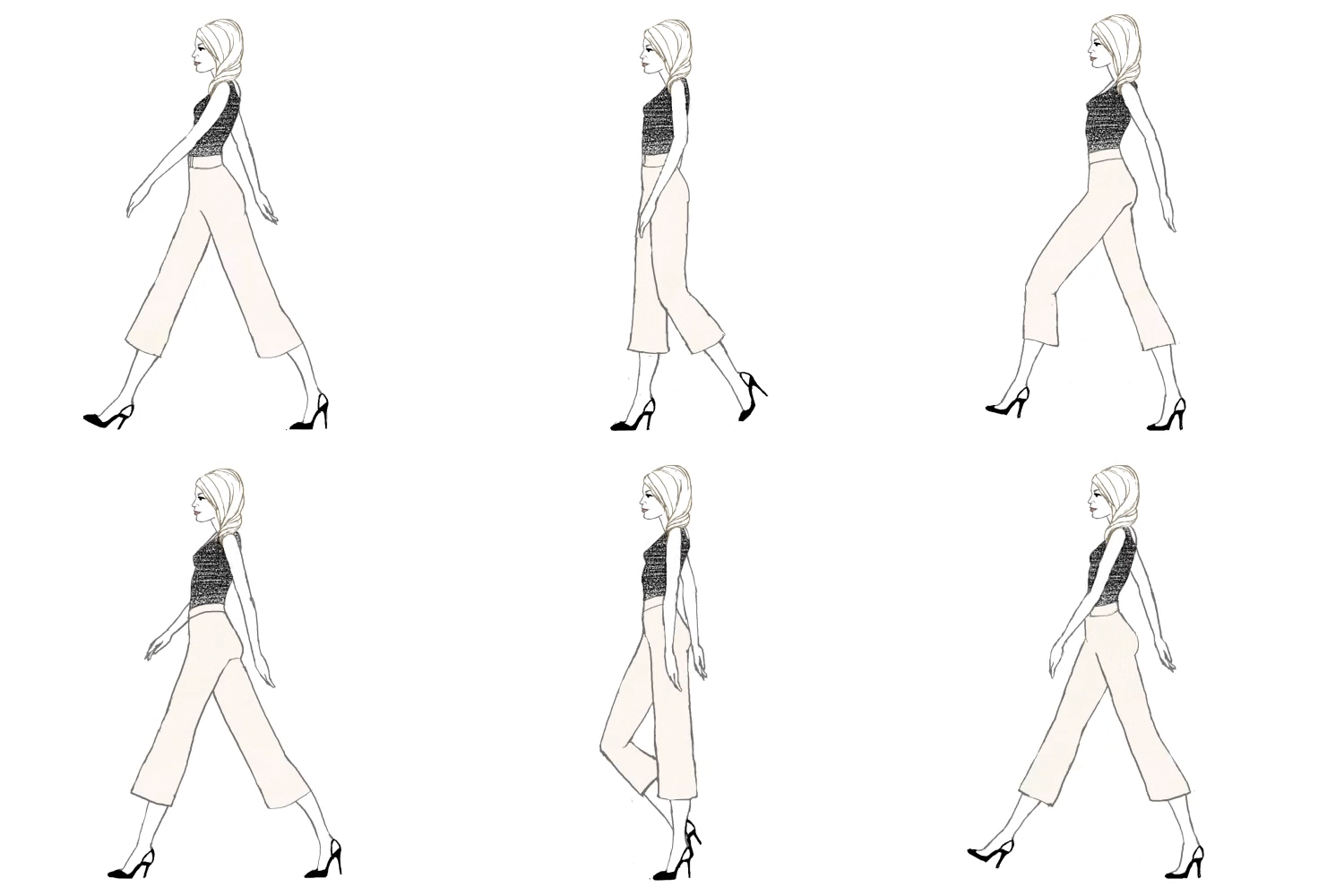
It’s better to move fast. So why now?
So, what do we have?
-
There’s still room in the market for a high-tech
clothing operator offering a revolutionary
customer experience; -
A ready product solution for automating
of a global, high-transaction e-commerce
business; -
3D human-modeling technology is already
available, we just need to adapt it at scale;
- A fully-ready wow B2B-SaaS engine (Track-1) — pixels, not accuracy, but wow: in effect reselling credits of existing open generative models at a ~66% margin, with projected year-1 revenue (~$3.4M at ~140 average stores, once sales ramp);
- You can try that wow B2B-SaaS on yourself right now — the generative fitting in motion is live in the prototype Try FITME Prototype
-
An ambitious team of mathematicians,
programmers and marketing specialists
with international experience; -
Vitaly Borschevsky, an Israeli citizen,
at the forefront of the development team.
Combining the above will allow us to create
another revolutionary Israeli startup.

What we’re building
Accuracy
A technology for physically accurate fitting — on the real measurements of both the body and the specific garment, not just pixels — with an AI stylist on top, learning from big data.
Every word matters.

Once it’s ready, the engine goes anywhere: e-commerce try-on widgets, uniforms and workwear, made-to-measure and premium — and the big game, our own futureshopping store/marketplace on the FITME-engine.
That last one is large and deeply capital-intensive — institutional money, later, from a strong position.
 Yalla!
The ask Invite partners
ROUND #1$3M, 12 months (private / angels). De-risk the physics on women’s knit tops with a brand partner: body → garment → physics → motion → check against reality. Alongside, the wow B2B-SaaS is earn-ready — the tech is done and live in the prototype, so shops in any market (US, LATAM, EU) can embed the generative try-on for a monthly fee, and we resell the tokens at a ~66% margin: once selling, a cash floor that covers part of R&D operations.
ROUND #2$4–8M, 12–24 months, from strength. By the end: a finished, scalable engine for accurate fitting in motion, across every category — with our paying wow-SaaS clients moved onto it. That’s a rare asset a strategic buyer wants. The range is simple: more money buys more categories, more markets and real time, faster.
Flexible check size. Join. It’s going to be interesting.

Futureshopping —
a shopping experience,
relevant to the future
try FITME prototype for free right now.
no sign-up needed


How does it work?
The shopper’s phone scans them — it guides every stand and turn. Or, with their permission, we simply pull existing photos and video from their social profile — no scanning at all. From that flat media we reconstruct an accurate 3D model of the body, down to every anthropometric nuance.
We slice that model for real volumes and sizes, then match it against the brand’s pre-digitized garments — the fabric and pattern data that tell us how each piece behaves on a body: how it creases, stretches, drapes and shows through. Fitted together and animated, the shopper will see exactly themselves, in exactly this garment, in motion. Not pixels — real physics.
Simple to describe, a brutally high barrier to build: just imagine the compute, data and precision it takes, even at a million users and 100K SKUs. But we’ll handle it, as a fashion big tech at the intersection of computer vision, AI, math, physics and big data.
Wait! — Doesn’t this already exist?
— No, in terms of accuracy.
Today there are only generative try-ons — Google’s Shopping try-on and its Doppl app, Amazon’s, Walmart’s (on Zeekit), Snapchat’s AR, and a wave of startups. Every one is the same trick: the AI paints a convincing picture of the shopper in the clothes. It looks great, but it’s a drawing, not a fitting — there are no real sizes in it, just pixels. In the picture the clothes always fit perfectly, because the AI freely changes their length and shape and hides the tricky parts to make the shot look good. That’s what it’s trained to do.
Generative models simply have no layer that turns pixels into physical measurements, so nothing says the size on screen is the size that would actually fit. The picture is genuinely inspiring, though — so here too we don’t lose our heads: those pretty pixels we wrap into the wow B2B-SaaS (track-1, ready to earn).
Accurate fitting in motion (track-2) does not exist yet — nowhere, from no one. That’s exactly what the round builds.
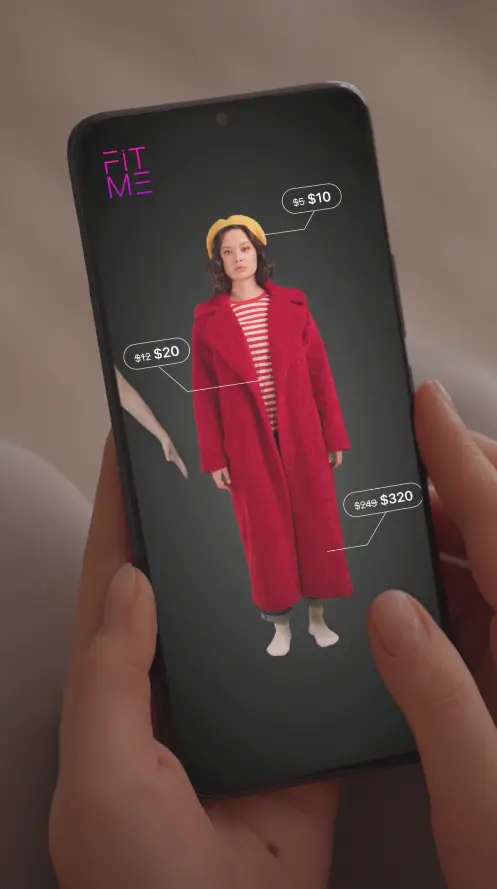
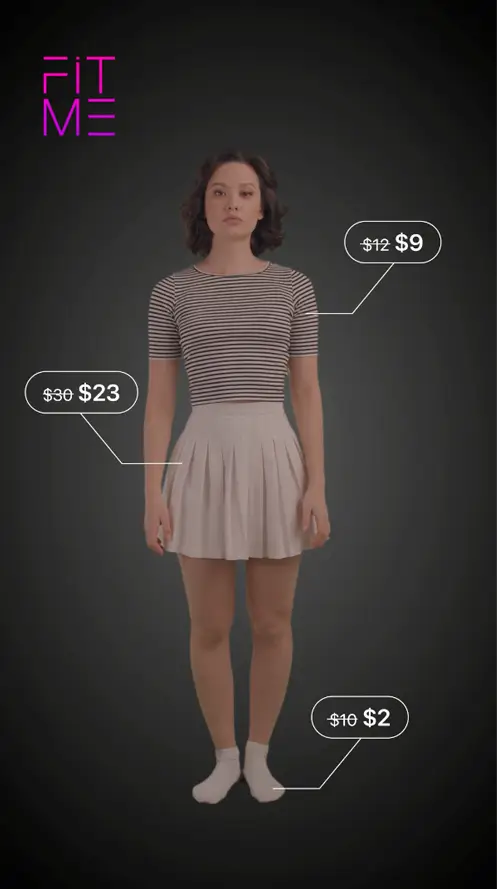
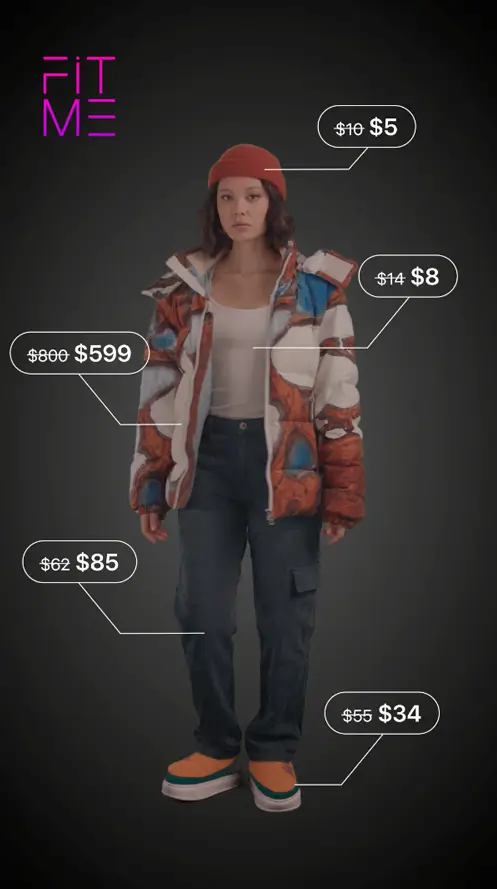
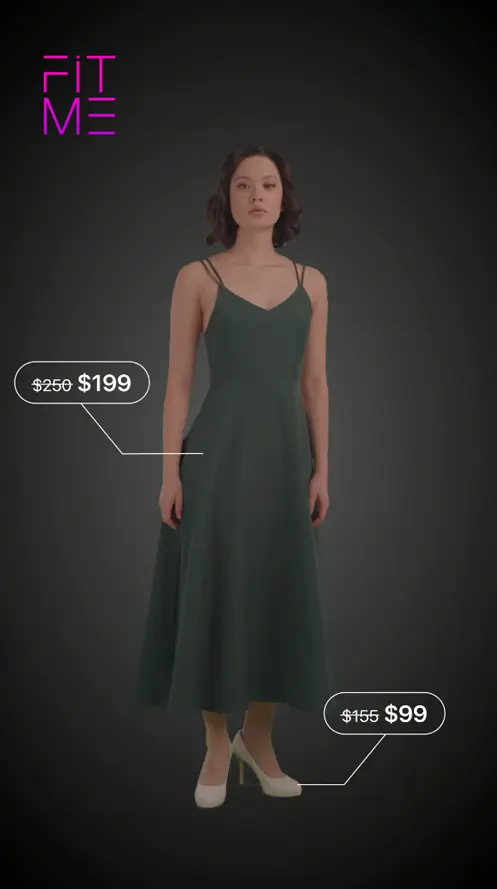
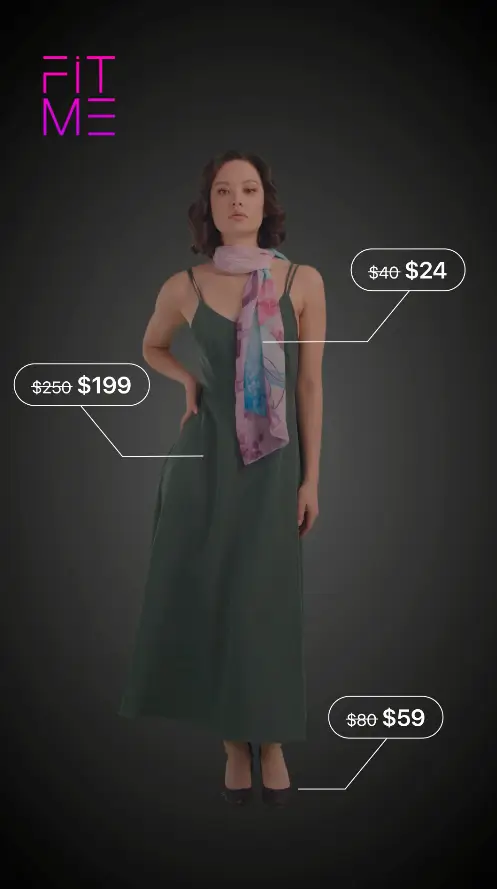
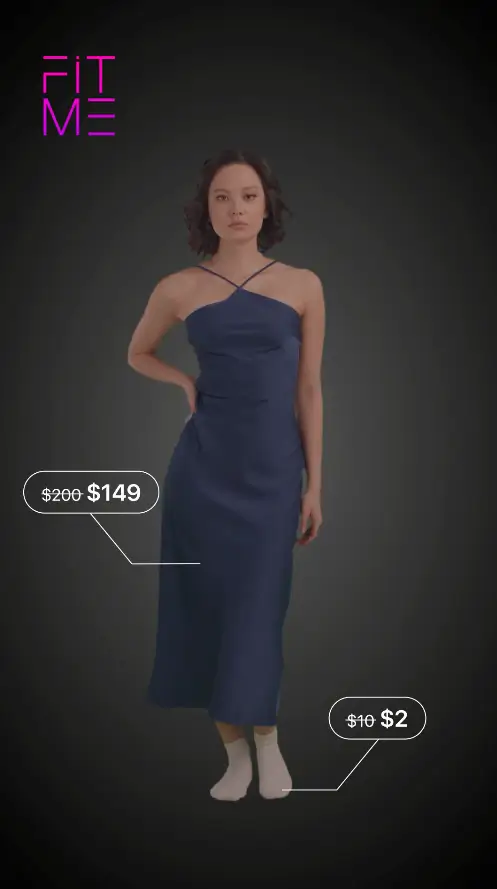
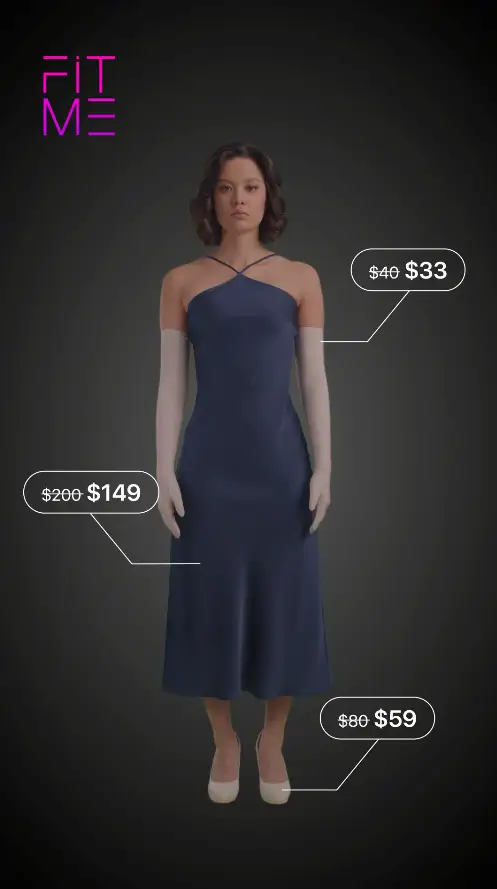
Using big data and AI, the system suggests outfit
combinations made only from items that fit perfectly.
The only thing left to do is choose (and share).
No perfect models in the clothing catalog —
only the real customer, in all their uniqueness.
Business has never been so personal and interactive — hyper-personalization as it should be.
With each customer’s real measurements already in hand, the next step is clear: simply print the apparel, made to measure. And we’d be far better prepared than anyone else — with a ready audience already onboard.

The result of accurate, physics-based fitting in motion: shoppers get only what actually fits — cutting fit-and-size returns — which drive 50–70% of the 25–40% online return rate and cost apparel up to $38B a year. That’s FITME.
A “movie” about the new you powered by
a specialized AI layer for fashion
- Garment-to-garment compatibility
- Garments-to-user compatibility (style, budget
and body measurements for sure) - Region-specific aesthetic profiling
Customers get interactive hyper-personalized
recommendations from “stylists” (in quotes
because this role is primarily fulfilled by AI —
artificial intelligence guided by experienced
stylists and enriched with big data cultural
references — local movies, series, trends on social)
through the app, messengers, social media
or email — as often as they want.
Outfit recommendations will also take into
account previously purchased items.
For example, that pair of slacks you already own
will pair perfectly with this coat and this scarf —
check out how the outfit looks on you.
Everything is in stock, will be delivered tomorrow,
the discounted price of the set is $299.
Naturally, recommendations are generated
automatically. Stylists define the general rules
and then the system takes over: it generates
specific outfits and uses sales performance data
to improve on its own, creating combinations
that sell well — in ways no human could match.
Customers get access to a tool that allows
them to interact with their appearance
in a completely new way — a visual style builder.
After getting a taste of FITME, customers are
hooked — and it’s very hard to quit.
Simple psychological mechanism: dopamine hits
from “style revelations” (e.g., “I’d never have
paired this myself!”) create an addiction to FITME
creative authority.
With FITME, they can mix and match new items
with the clothes they already own, right on their
phone or on the website / app, create new looks
and share them on social media.
Catalog items are unobtrusively labeled with
suggestions like “matches your skirt” / “shirt” etc.
And now the clincher:
Uploading an item bought elsewhere into the
virtual wardrobe is also an option.
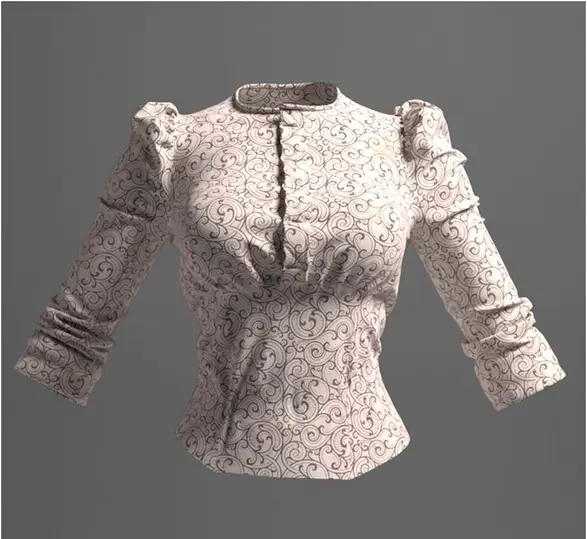
This fashion-AI layer makes FITME more than accurate fitting, even in motion — a 24/7 style co-pilot in your pocket.
It’s the next killer feature of futureshopping.
— I have nothing to wear! — Now you do. FITME.
Competitive landscape
Accurate fit + fabric physics in motion, on a specific userno one else here yetFITME = virtual fitting in motion based on real body measurements and clothing fabric behavior.
So far, no one’s done anything like this.
The moat isn’t one feature — it’s the whole stack. Once live, every accurate fitting labels itself — did it fit, kept or returned — and that tunes the physics. No one else can assemble it: retailers’ returns aren’t linked to 3D garment behavior; generative never predicts real fit, so it never knows if it guessed right; studio physics never sells to a shopper. FITME closes the loop completely.
Ownership: everything we build for the accurate-fit engine — the models, datasets and pipelines of the physics of true fitting — is FITME’s own IP, 100% owned by the company.
Why can we create it? — The answer is here.

$3T. It’s not a real revolution without Che, is it?
FITME: Global by design
Borderless engine
Track-1, the wow B2B-SaaS, can sell to shops anywhere from day one: US, LATAM, EU. Track-2 — accurate fit and fabric physics, in motion — is core infrastructure: license it to any brand or market in the world. Almost.
Israeli deep-tech
The same Startup-Nation lineage the giants already buy: Snap took Fit Analytics and Ariel AI, Nike took Invertex, Walmart took Zeekit. That’s the company FITME keeps.

US — first beachhead
We start in the US — the world’s biggest apparel market. Big spending, easy logistics, shoppers who are ready. A launchpad, not a ceiling.